
The Role of Cognitive Biases in Gambling
Cognitive biases play a significant role in how players perceive their chances of winning at casinos. Often, gamblers overestimate their ability to predict outcomes based on past experiences, a phenomenon known as the gambler’s fallacy. This belief that past events influence future outcomes can lead players to make irrational bets, thinking they are due for a win after a series of losses. To better grasp these concepts, players might find resources such as online slots canada real money useful for understanding the gambling dynamics. Understanding these biases is crucial for both players and casino operators, as they can shape gambling behavior and strategy.
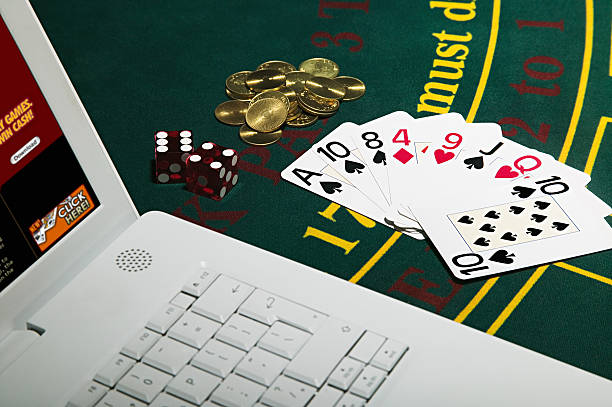
Moreover, confirmation bias can lead players to focus on results that support their preconceived notions, ignoring evidence to the contrary. For instance, a player may remember their wins while disregarding the numerous times they lost. This selective memory reinforces the gambling behavior, making it difficult for individuals to break the cycle of betting and potentially losing large sums of money.
The Illusion of Control
The illusion of control is another psychological aspect that impacts gambling strategies. Many players believe they have the ability to influence outcomes in games that are purely chance-based, such as slot machines or roulette. This belief can stem from strategies like choosing specific numbers or using rituals before placing a bet. Players often feel empowered by these actions, mistakenly believing they can tilt the odds in their favor, which can lead to increased gambling behavior.
This illusion is particularly dangerous, as it can lead to a false sense of security. Players may continue to gamble despite significant losses, convinced that their strategies will eventually pay off. Recognizing this phenomenon can help individuals approach gambling with a more realistic mindset, encouraging responsible gaming habits.
Emotional Triggers and Decision-Making
The emotional state of a player significantly impacts their decision-making process in casinos. High-energy environments, filled with lights and sounds, can heighten emotions and lead to impulsive betting decisions. Players may become overwhelmed by excitement or anxiety, which can cloud their judgment and encourage them to make risky choices. Understanding these emotional triggers can help players develop strategies that mitigate the influence of feelings on their gambling behavior.
An awareness of one’s emotional state is essential for effective decision-making. By recognizing when emotions are driving their choices, players can take a step back and assess their strategies more rationally. This self-awareness can be a powerful tool in developing a successful gambling strategy that accounts for the psychological factors at play.
Social Dynamics in Gambling Environments
The social aspect of gambling cannot be overlooked when discussing strategies in casinos. Many players are influenced by the behaviors and actions of those around them, creating a social dynamic that can impact individual decision-making. For instance, witnessing someone else win a large jackpot can create a sense of urgency to place bets, even if it may not be a sound strategy. This social pressure often pushes players to gamble in ways they otherwise might not.
Additionally, the camaraderie developed among players can lead to sharing of strategies, which may not always be grounded in reality. Such groupthink can perpetuate myths about certain games or betting methods, leading to misguided strategies. Understanding the influence of social dynamics can empower players to make more informed decisions, rather than merely following the crowd.

A Resource for Sustainable Gambling Practices
At watergovernance.ca, we believe in promoting responsible gambling practices alongside progressive discussions about psychological strategies in casinos. Our goal is to provide insights that can help both individuals and communities navigate the complexities of gambling behavior effectively. We encourage a holistic approach to understanding gambling, where education and awareness are key components in developing healthier habits.
By fostering discussions on the psychological factors that contribute to gambling strategies, we aim to empower individuals to make informed choices that promote both enjoyment and sustainability in their gaming experiences. Whether you are seeking to understand more about the gambling environment or looking for ways to engage responsibly, our resources are here to support you.